Netting manufacturer · Shanghai, China · since 1990
Ciflower Shanghai Co., Ltd manufactures HDPE shade netting, hail protection nets, insect screens, bird netting, sports netting and archery backstops. One mill, one quality system, thirty-plus years of warp knitting — sold direct to distributors, growers and clubs in more than forty countries.
At a glance
| Specification | Details |
|---|---|
| Founded | 1990, Baoshan District, Shanghai, China |
| Core craft | Raschel warp knitting on German-built machines; we also build our own looms |
| Main lines | Shade netting · hail netting · insect netting · bird netting · sports netting · archery backstops |
| Shade factor | 50% – 95% (30% and 95%+ on request) |
| Fabric weight | 80 – 300 g/m² for shade cloth; 40 – 105 g/m² for insect and hail screens |
| Roll width | 1 m – 12.99 m seamless, slit to your spec |
| Colours | Black, green, grey, white, sand, charcoal, beige, blue, red, orange |
| UV package | HALS + UV stabiliser, 3–10 year service life depending on climate |
| Quality system | ISO 9001 processes, batch records, in-line density checks |
| Export | FOB Shanghai / Ningbo, CIF and DDP; container and LCL |
| Brands | Ciflower (netting) · BowYouMe® (archery) |
| Minimum order | From 500 m² per colour and spec for stock ranges |
Why buyers ask for the mill, not the trading company. Shade factor, mesh size and roll width are set at the loom. When you buy from the weaver you can change those three variables without paying a converter's margin — and you can ask for the loom sheet that shows what you are actually getting.
Applications
From a 30 m greenhouse tunnel in Kenya to a municipal archery range in Italy, the same questions decide the specification: what are you blocking, how much wind and sun load must the structure carry, and how long do you need it to last.
Shade cloth and insect screens sized to tunnel width, with eyelets every 50 cm for wire or cable fixing.
Hail and bird netting in overhead or side-wall configuration, cut to row length and joined with 5 mm rope.
Green and black shade net for layer houses and free-range shelters, plus windbreak netting.
Privacy screens, dust screens and debris netting for sites, car parks and balconies.
Ball-stop barriers, practice cages and rebound nets for clubs, schools and municipal grounds.
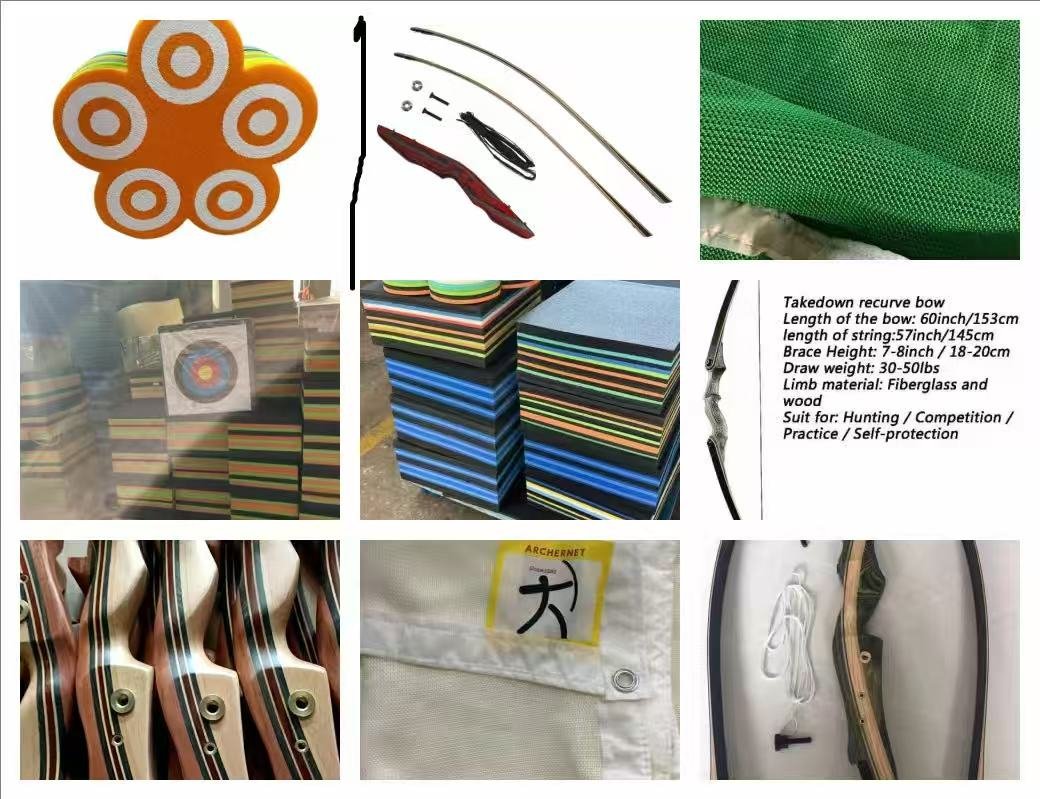
550 g/m² backstops with double-stitched reinforced edges, in 10 ft heights and up to 50 ft lengths.
Why Ciflower
In 1990 we imported warp-knitting machines from West Germany. In 1999 we produced the first warp-knitted loom in the Yangtze River industrial area — and we still manufacture looms today. That is why our widest loom knits a 12.99 m panel in one piece, and why we can weave unusual widths and heavy densities on request.
Warping, knitting, heat setting, slitting, hemming, eyeleting, rope bordering and export packing all happen under one roof. One batch record follows your order from yarn to container.
Every quotation carries GSM, shade factor, mesh size, width, UV package and packing. If a number matters to your customer, it is written down — and it is measured again before the container is sealed.
The mill
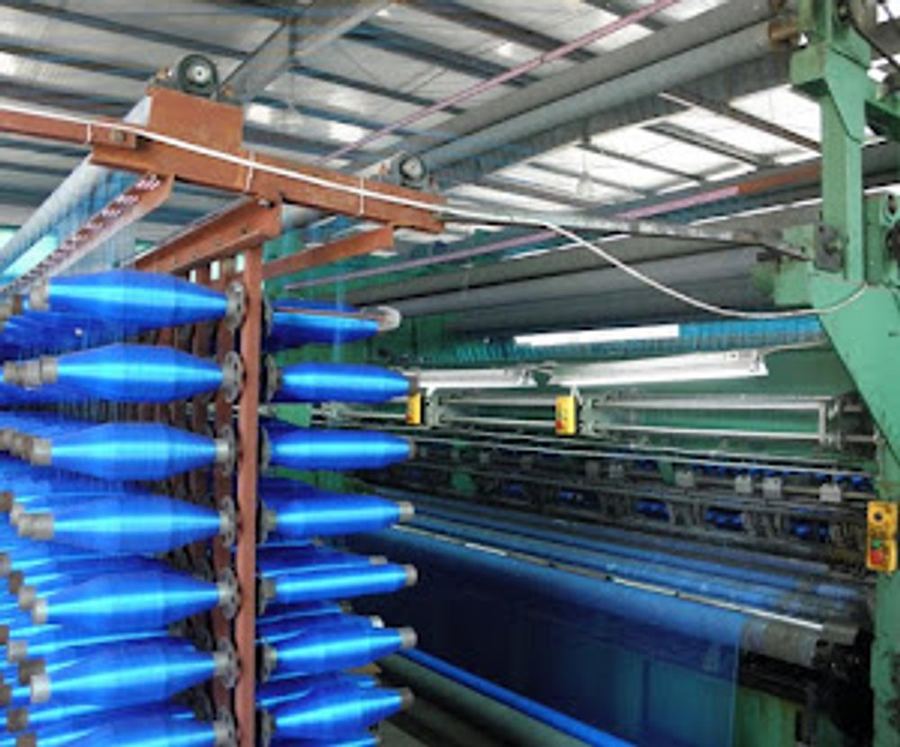 1 · Warping
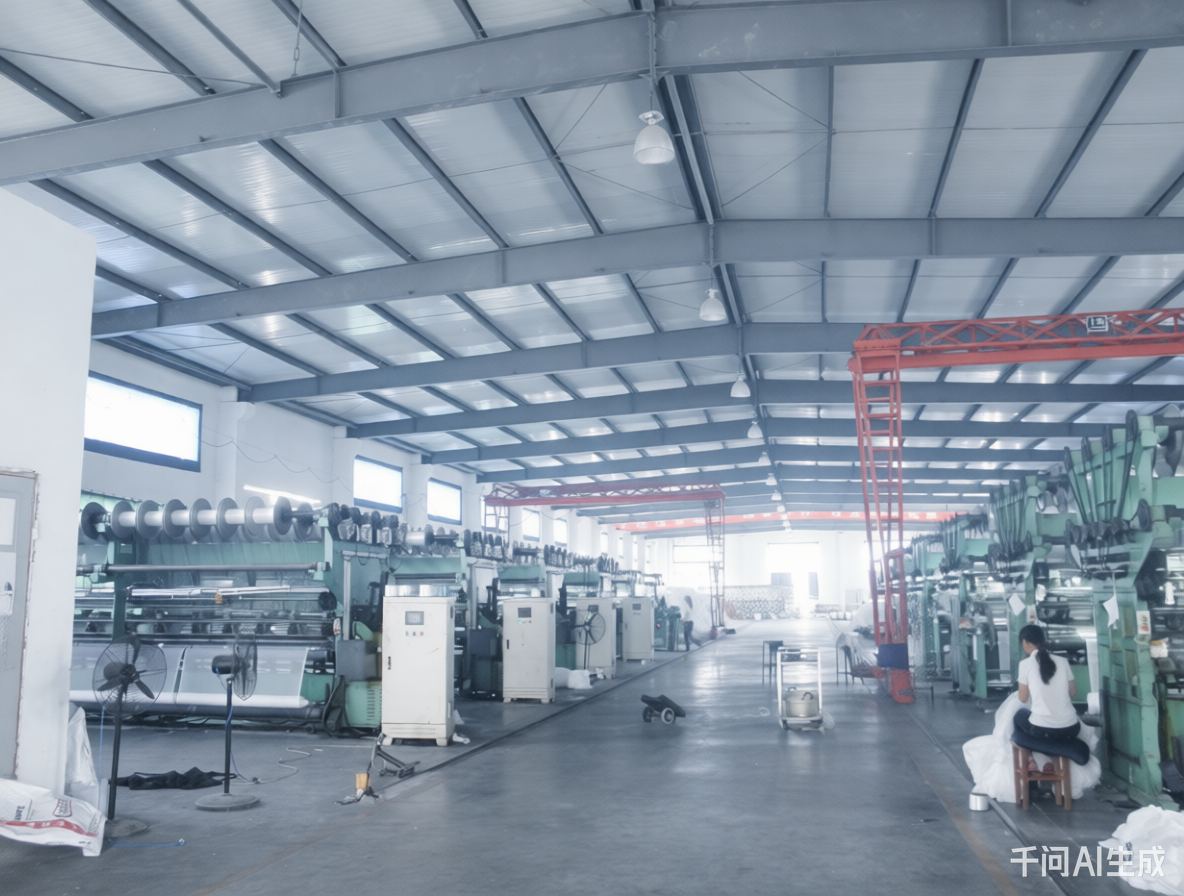 2 · Warp knitting
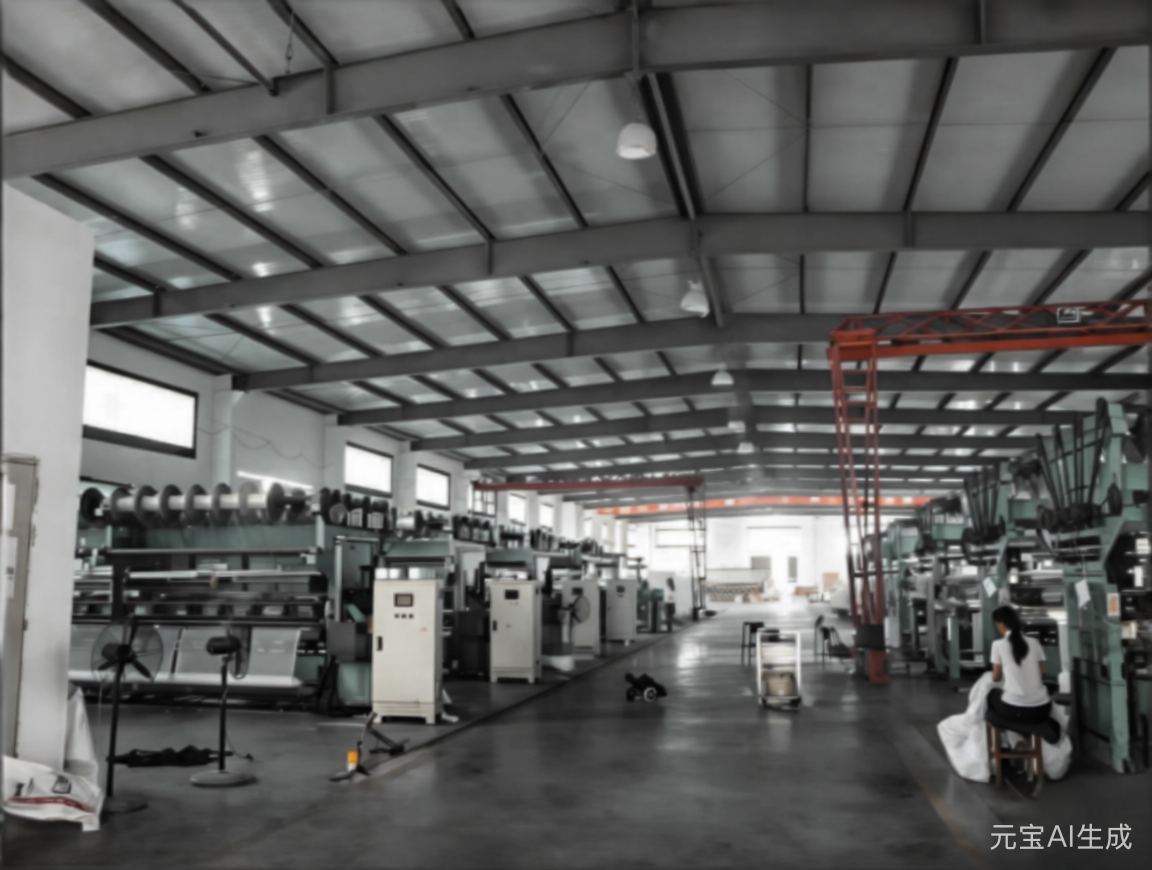 3 · Packing & export
Yarn arrives as HDPE monofilament or tape, is warped onto beams, then knitted on Raschel machines at the density your shade factor requires. Rolls are heat-set, slit to width, inspected against a light box, eyeleted or hemmed if required, bagged and palletised. A container of shade netting leaves our yard most weeks of the year.
Product reference
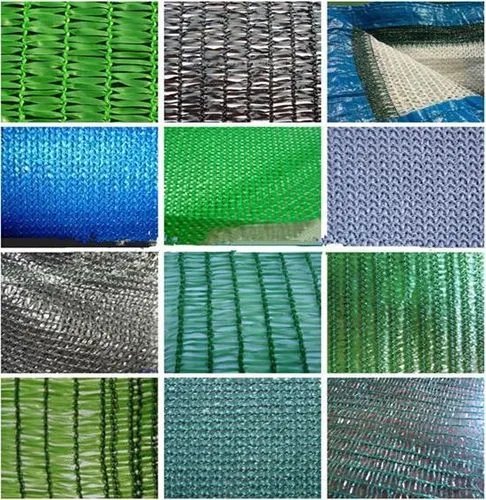
Photographed on our own stock. Flat filament, round filament and colour variants of the same shade factor sit side by side so you can see the weave before you specify.
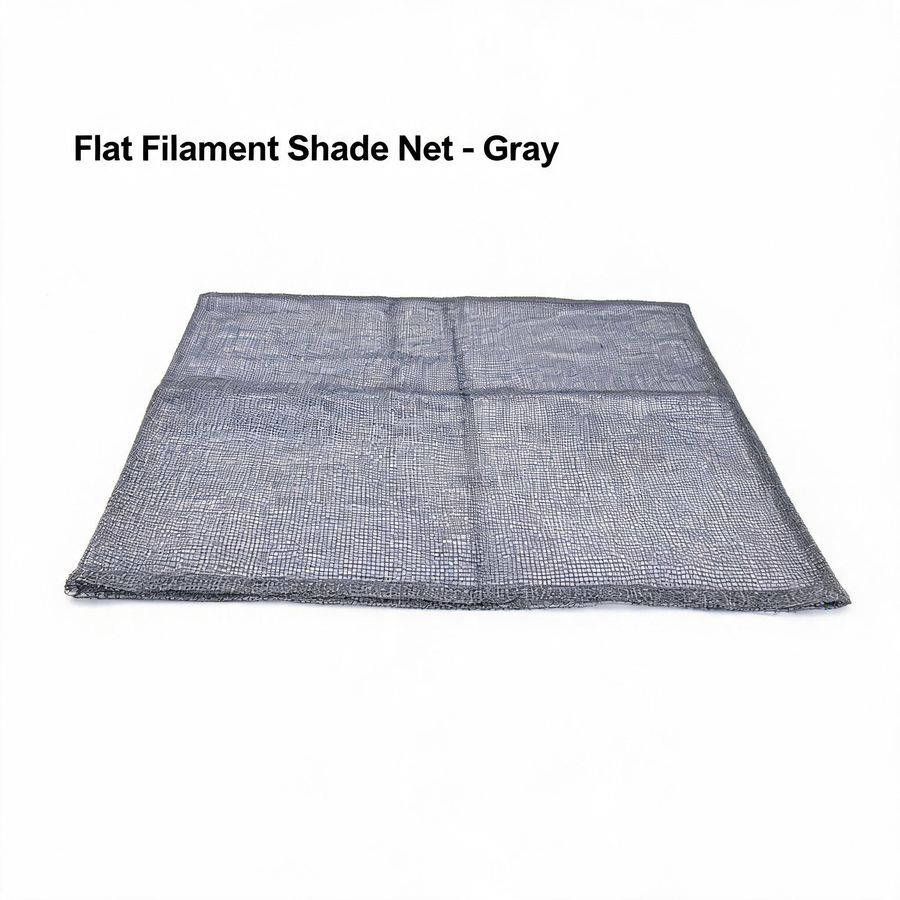 Shade · flat filament, grey
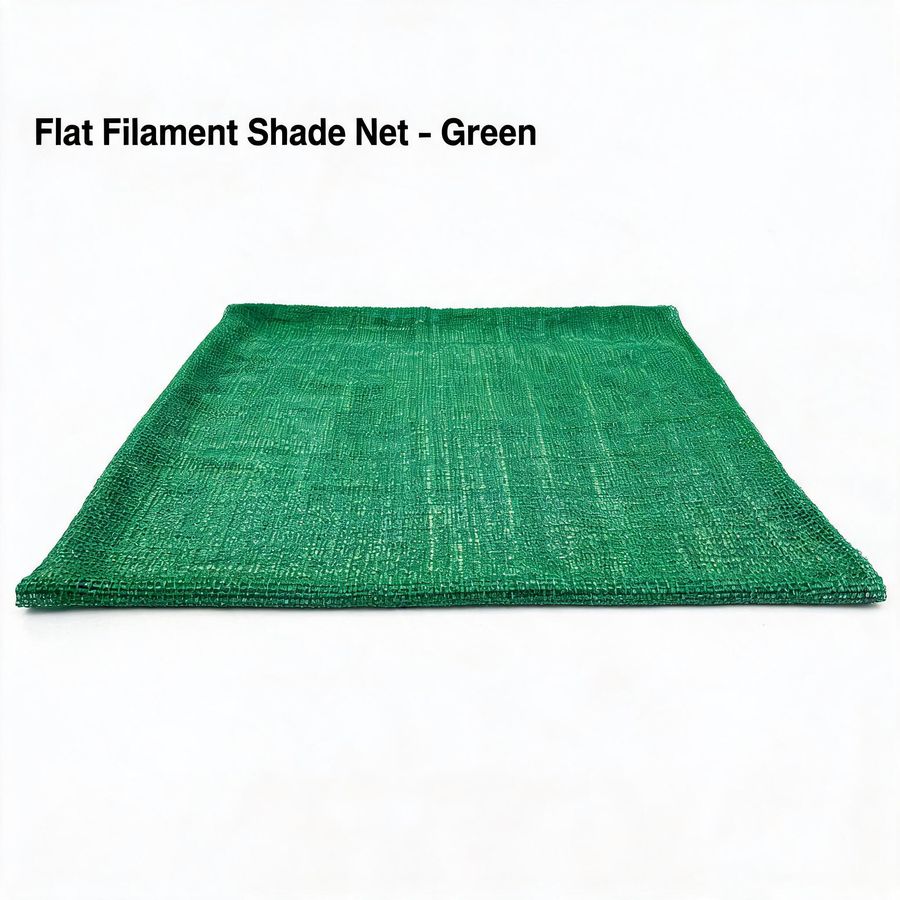 Shade · flat filament, green
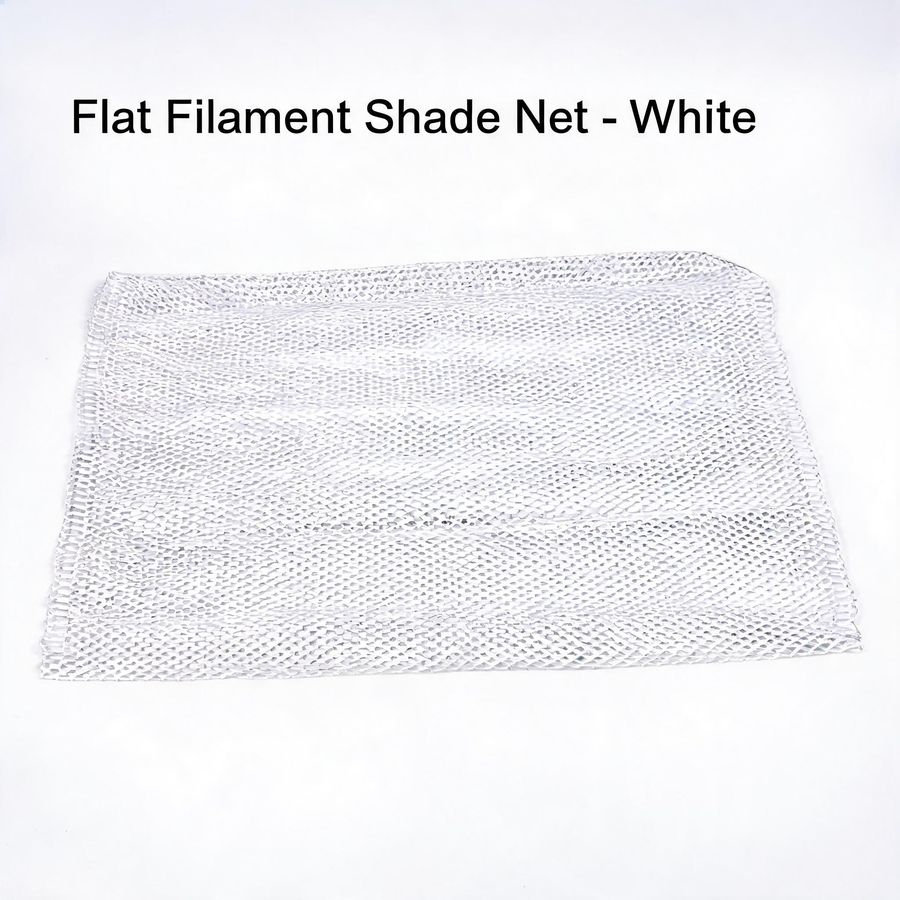 Shade · flat filament, white
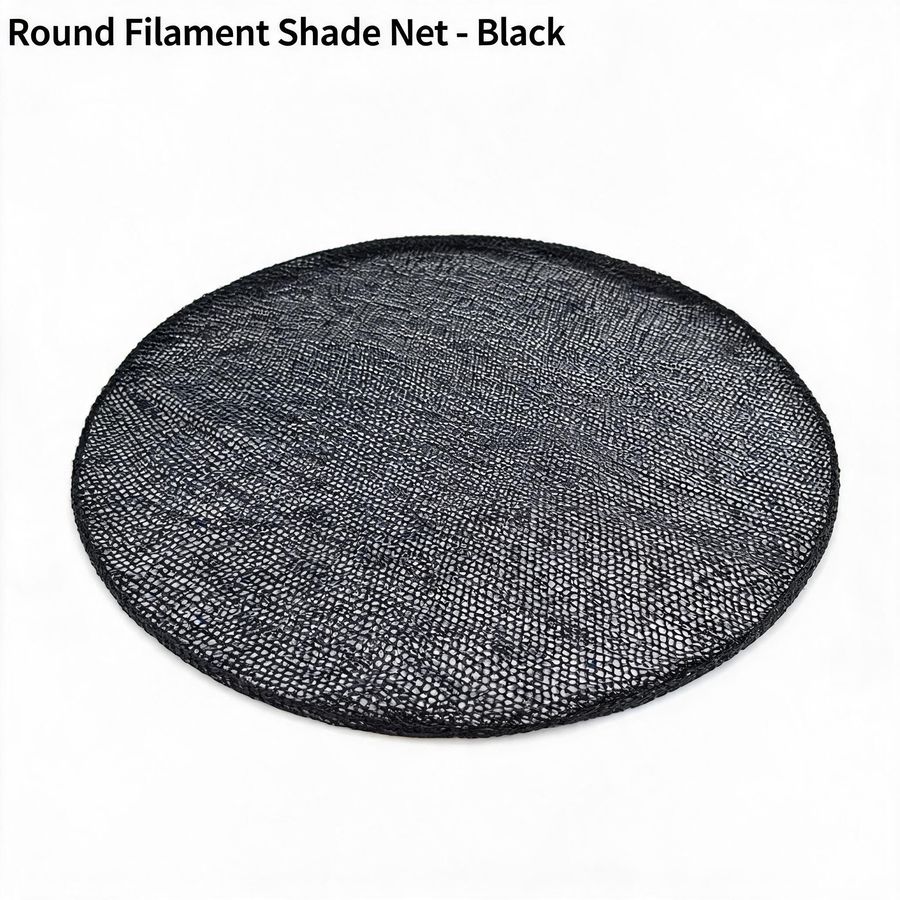 Shade · round filament, black
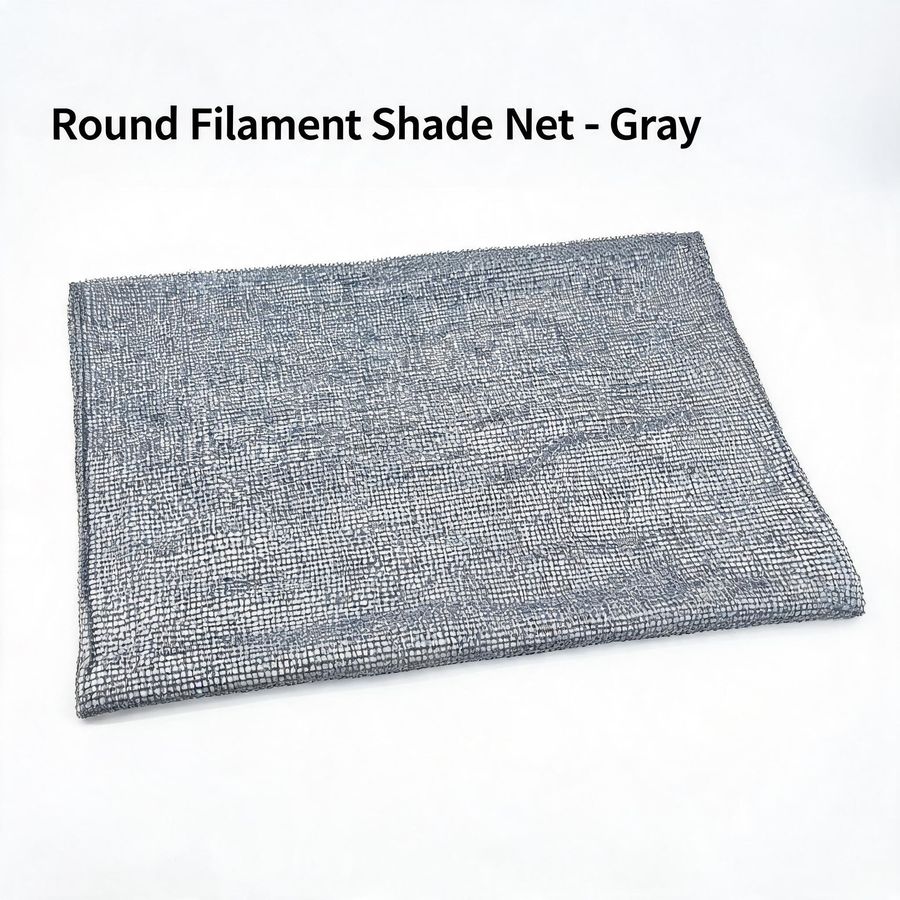 Shade · round filament, grey
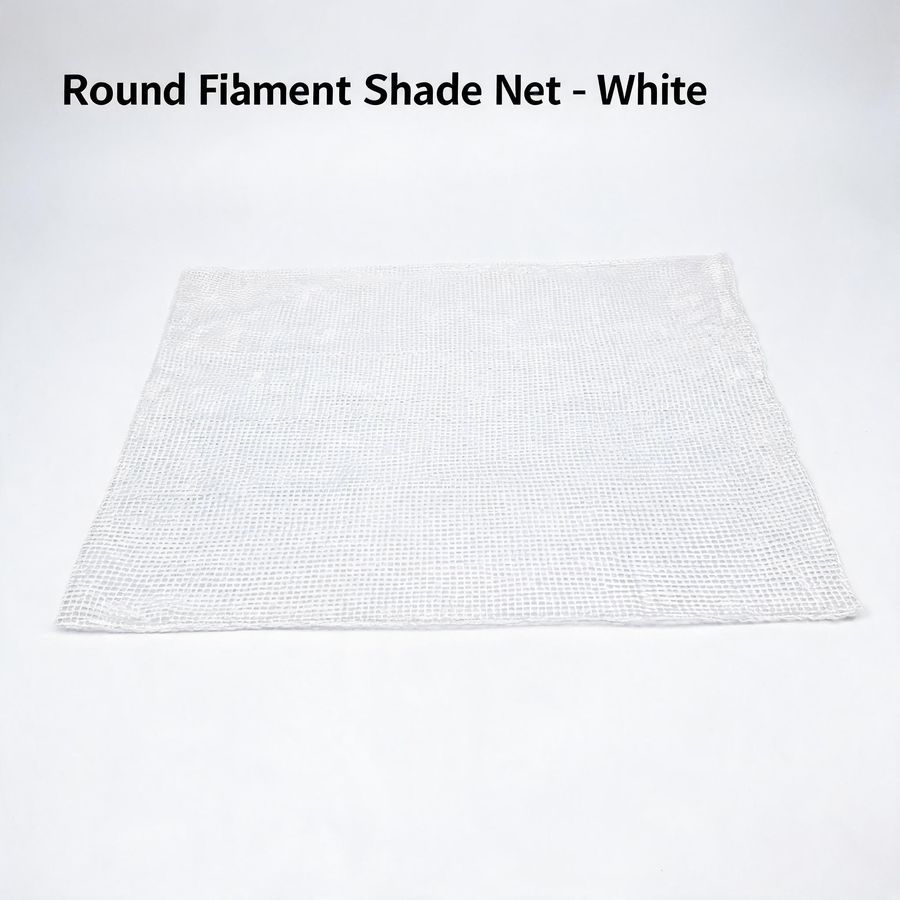 Shade · round filament, white
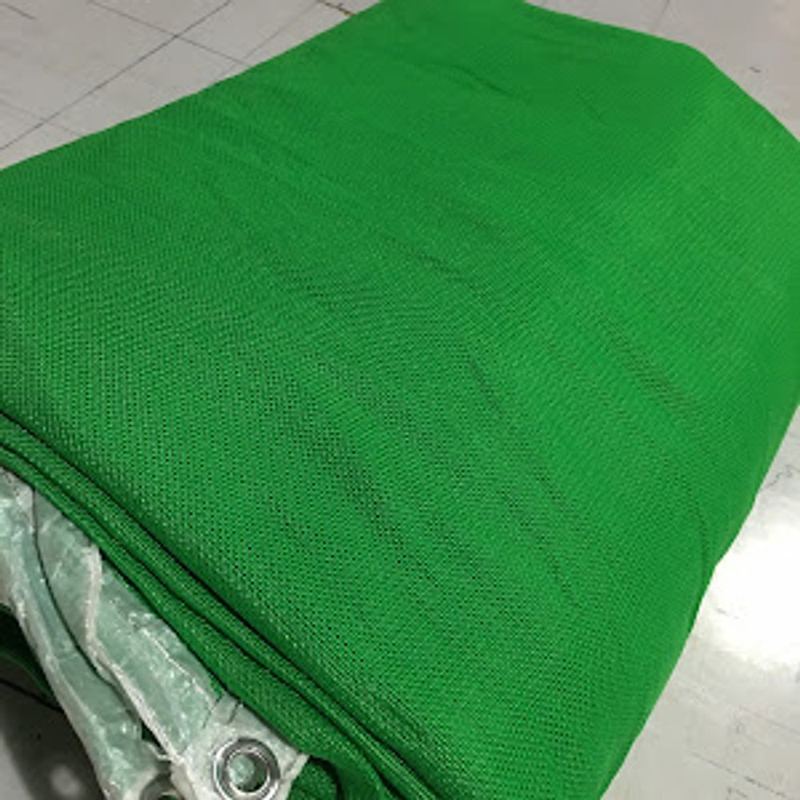 Shade · roll stock, green
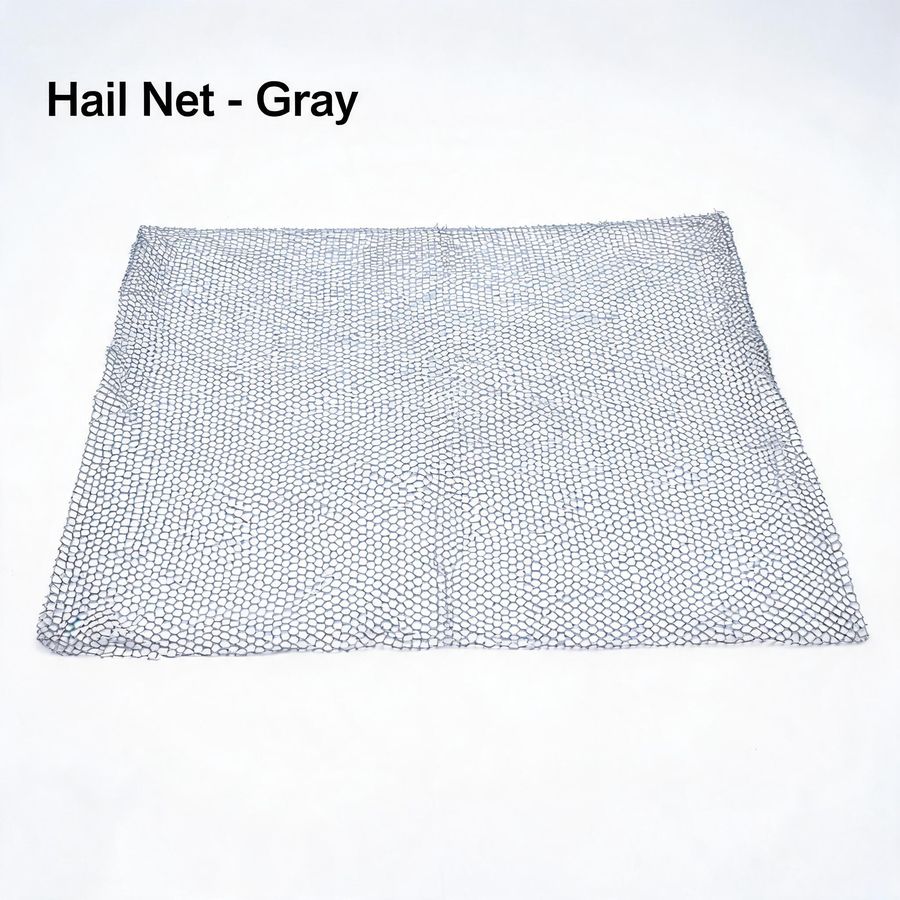 Hail · grey 70 g/m²
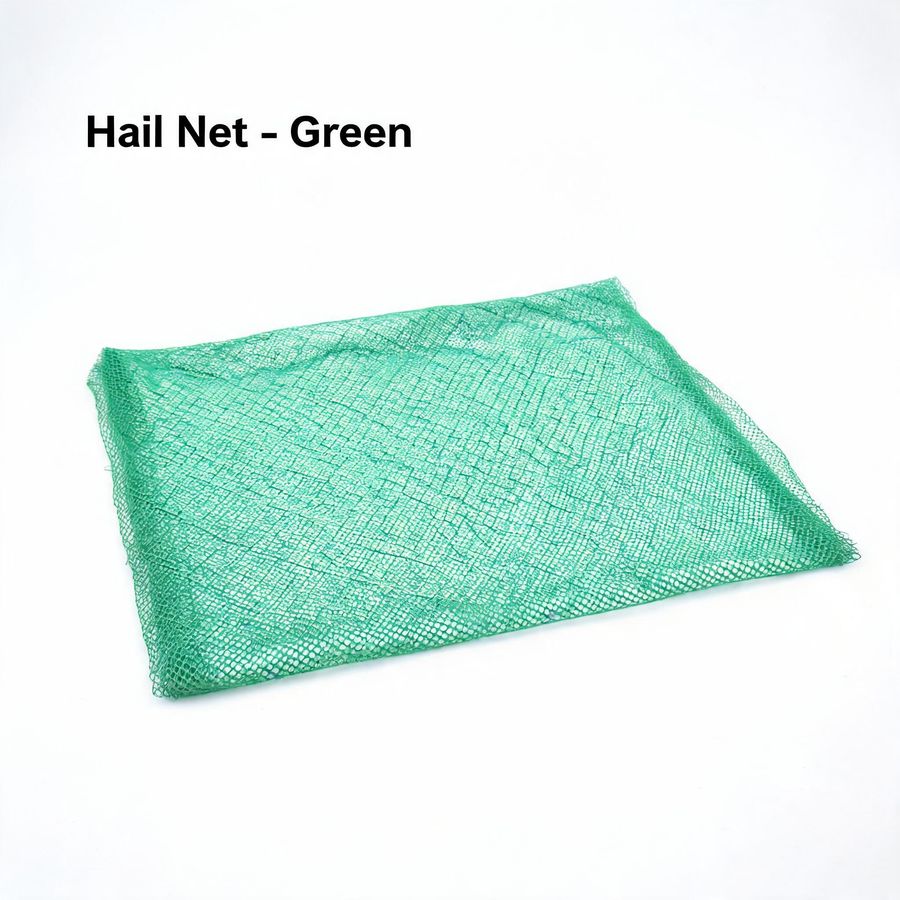 Hail · green 105 g/m²
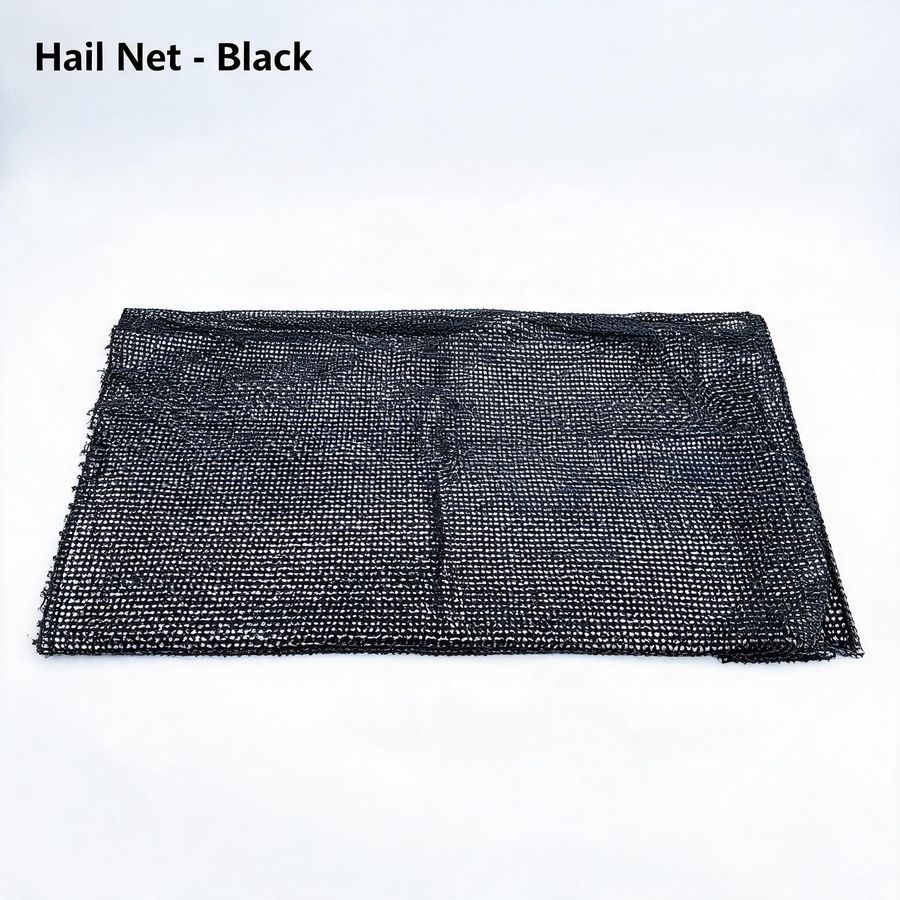 Hail · black vineyard
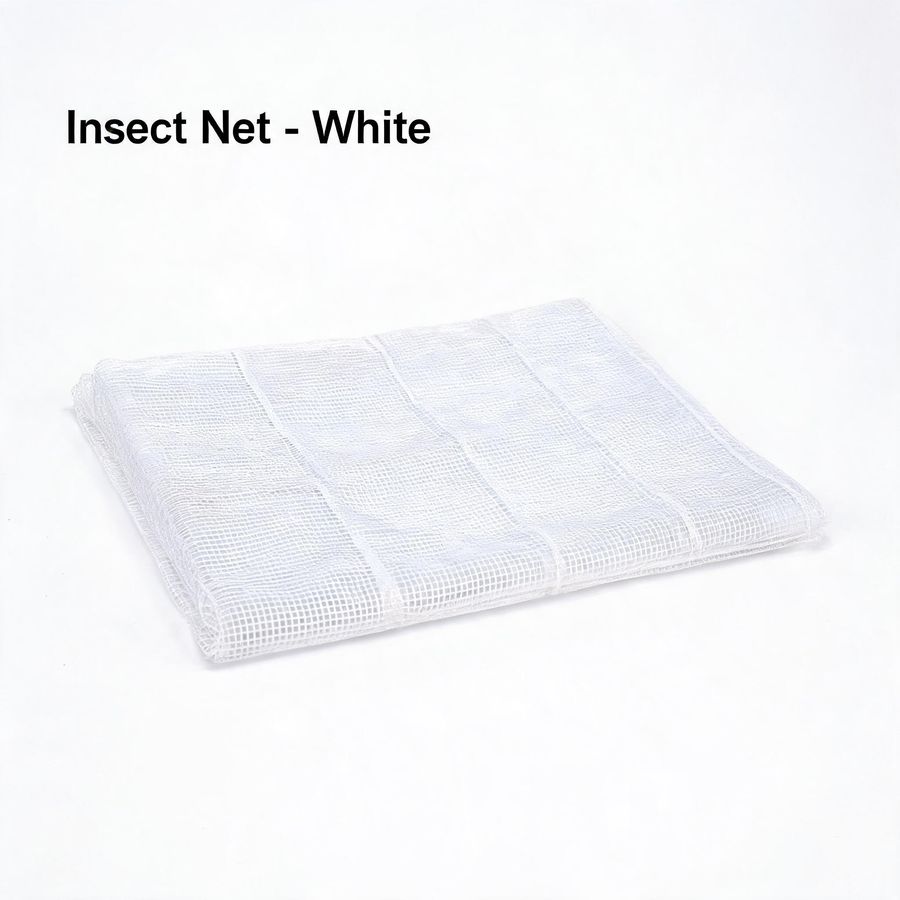
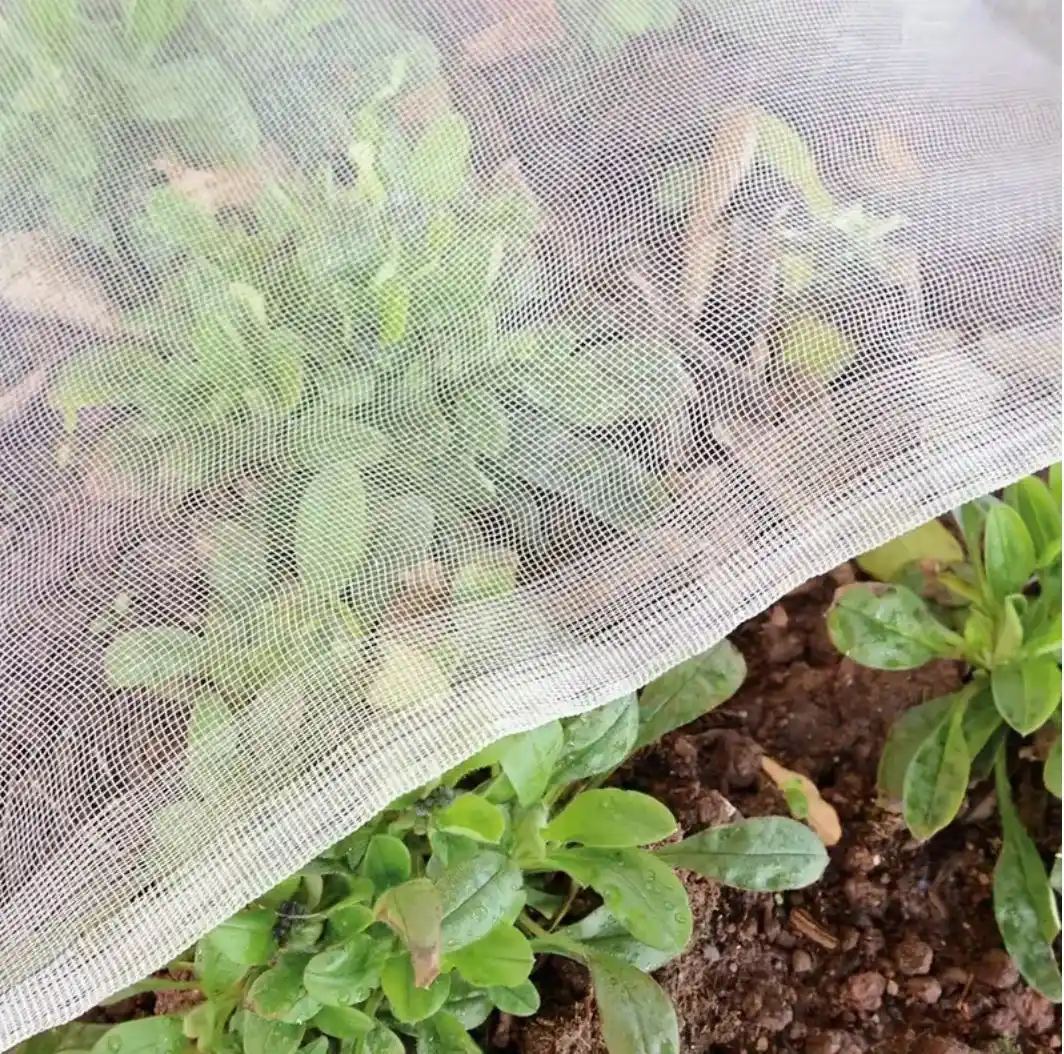 Insect · 45 g/m² screen
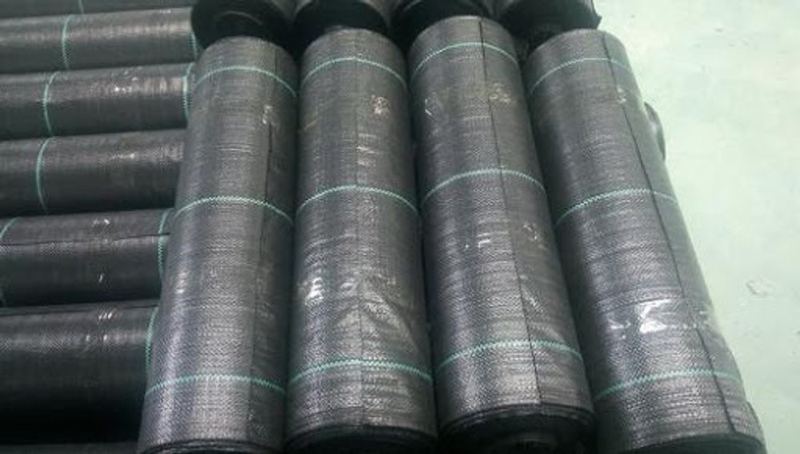 Weed mat · ground cover
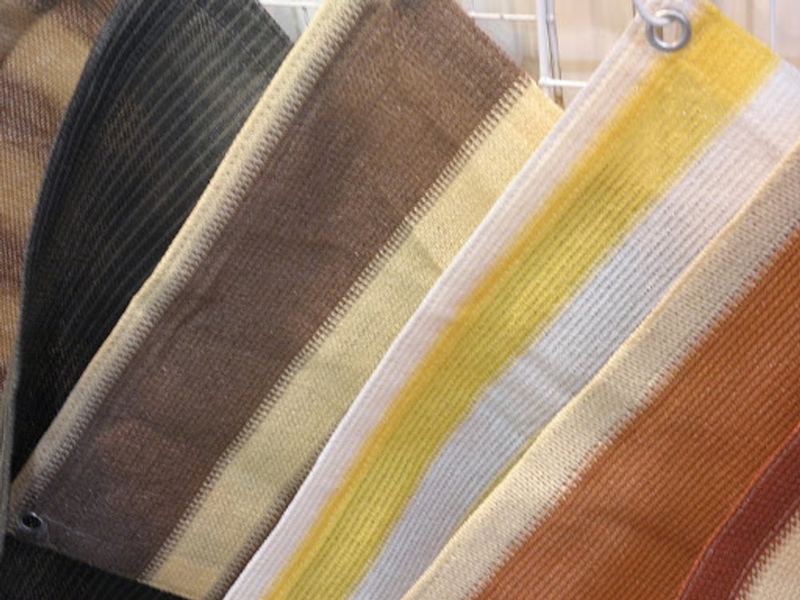 Colour matching service
 Archery · 550 g/m²
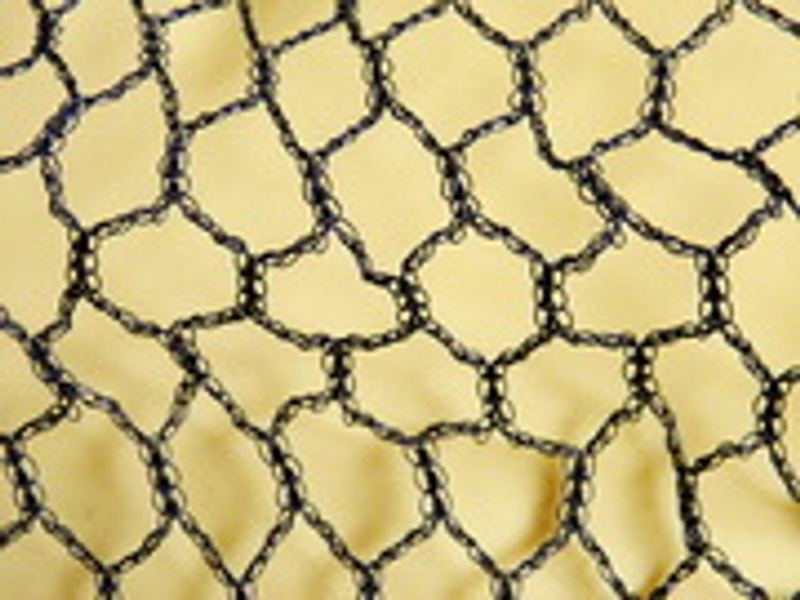
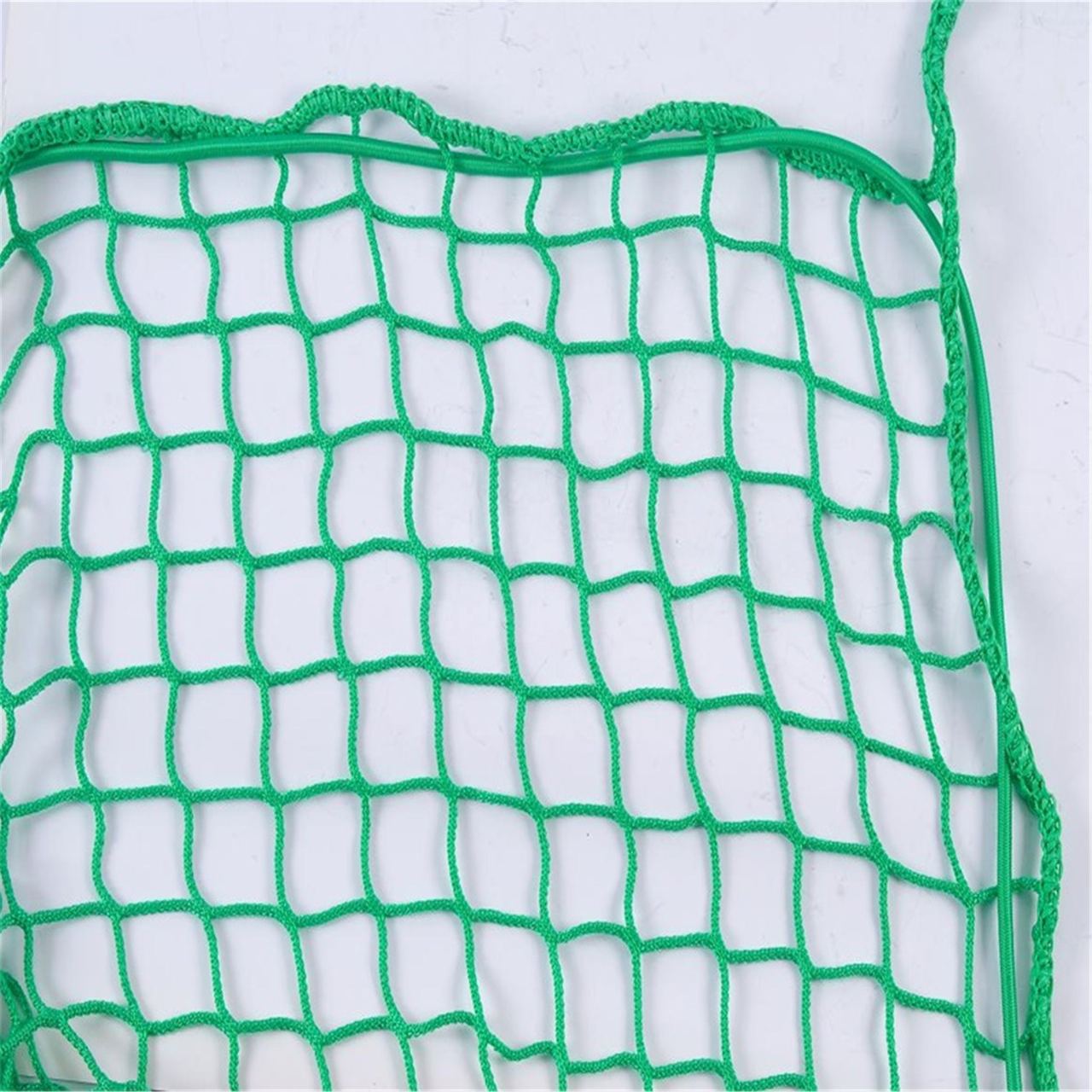 Sports · knotted barrier
 Sports · safety barrier
In the field
Every photo below is a customer installation or a trial plot — not stock photography. The frame spacing and fixing detail in each one is what we quote against.
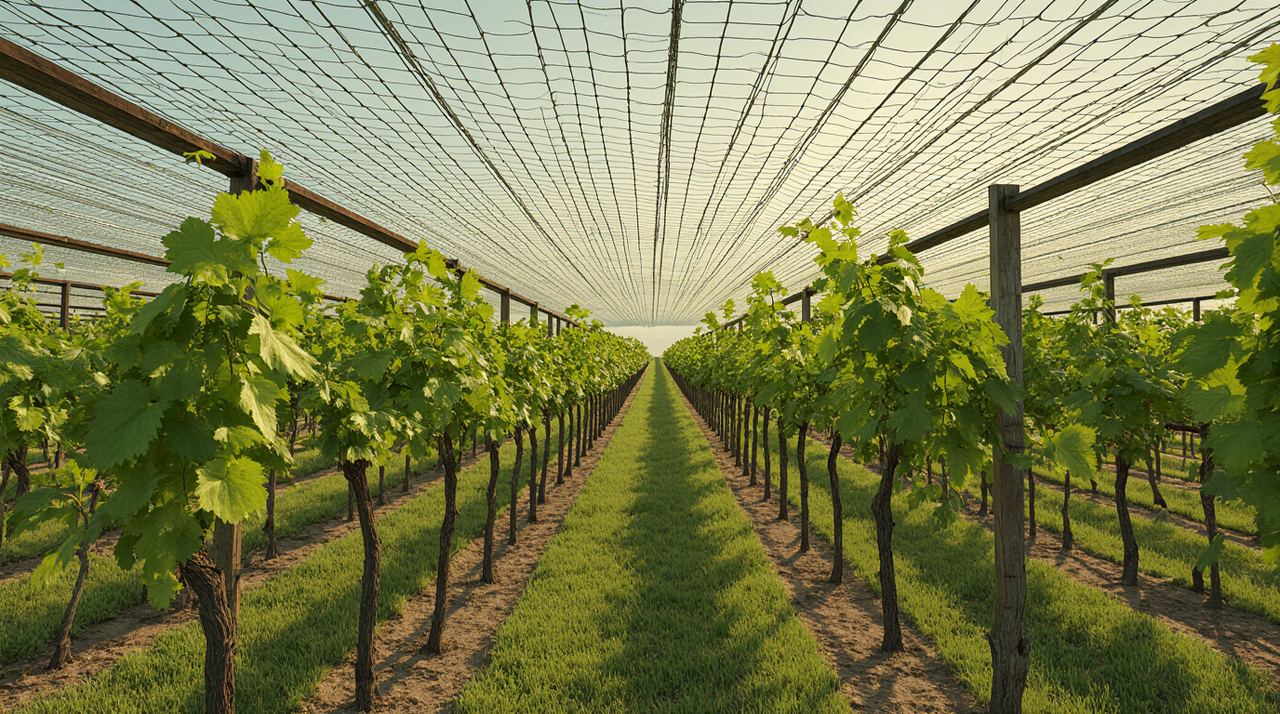 Vineyard hail net
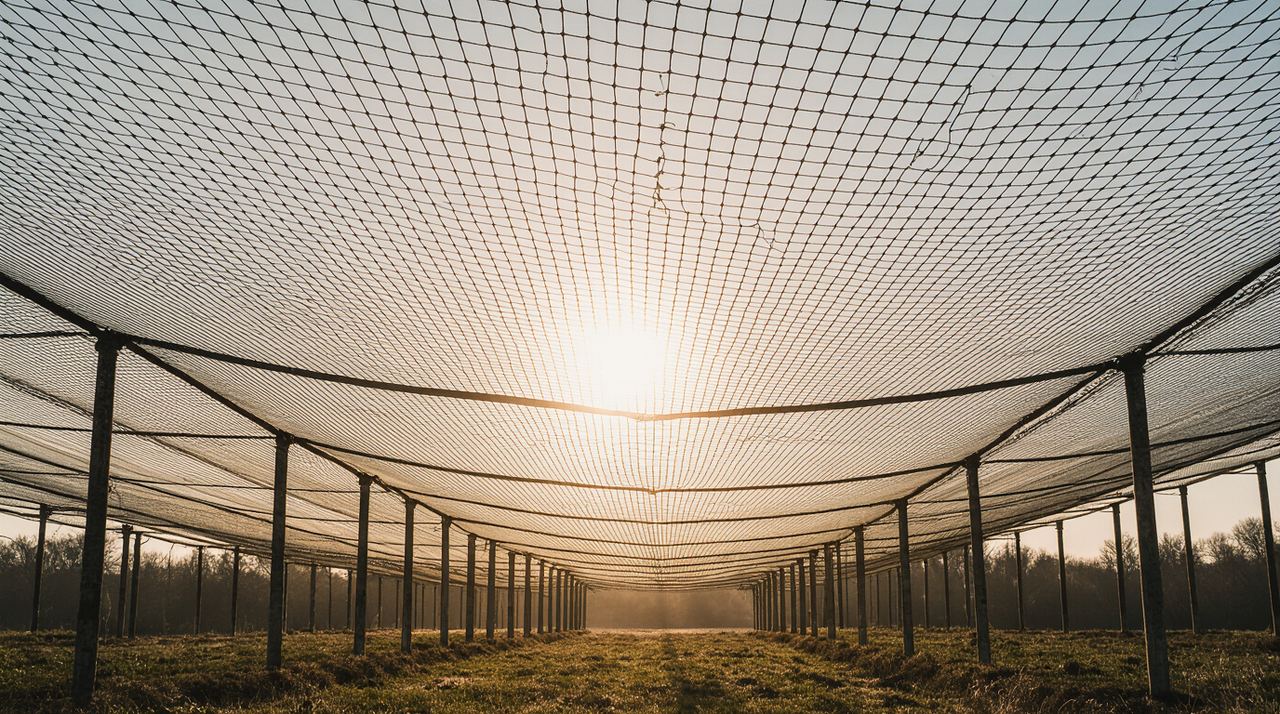 Orchard hail frame
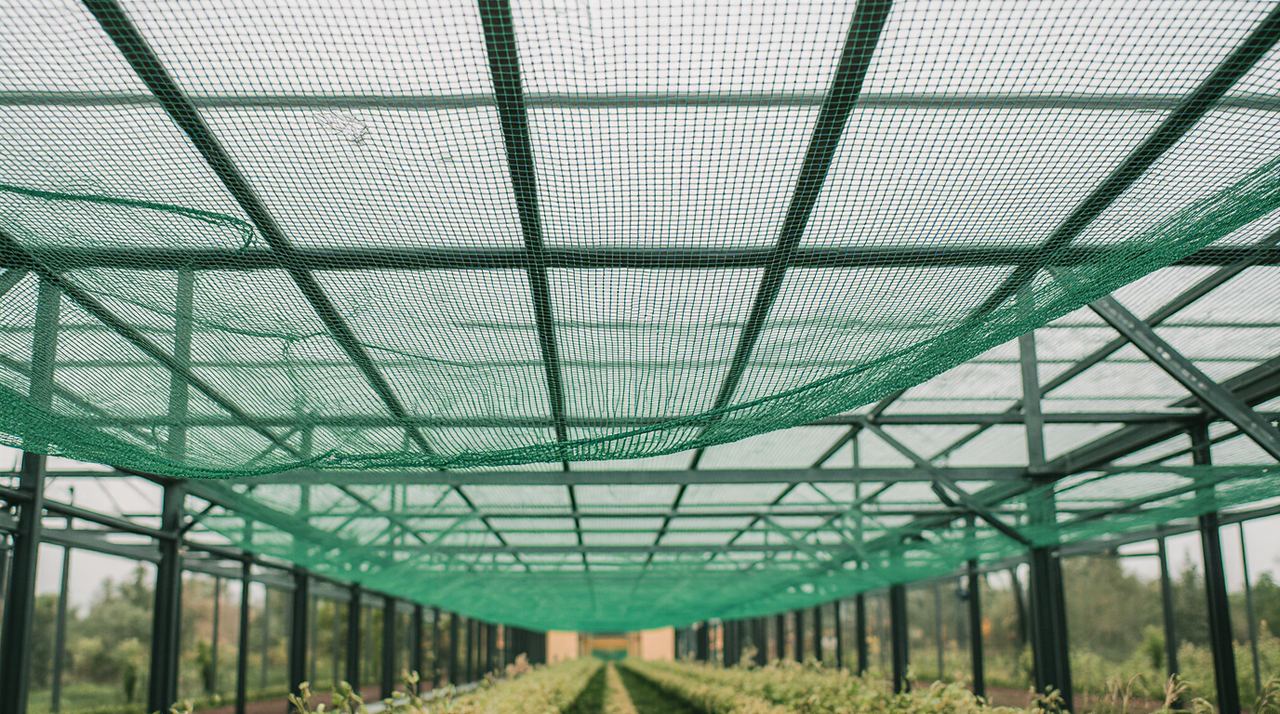 Greenhouse shade
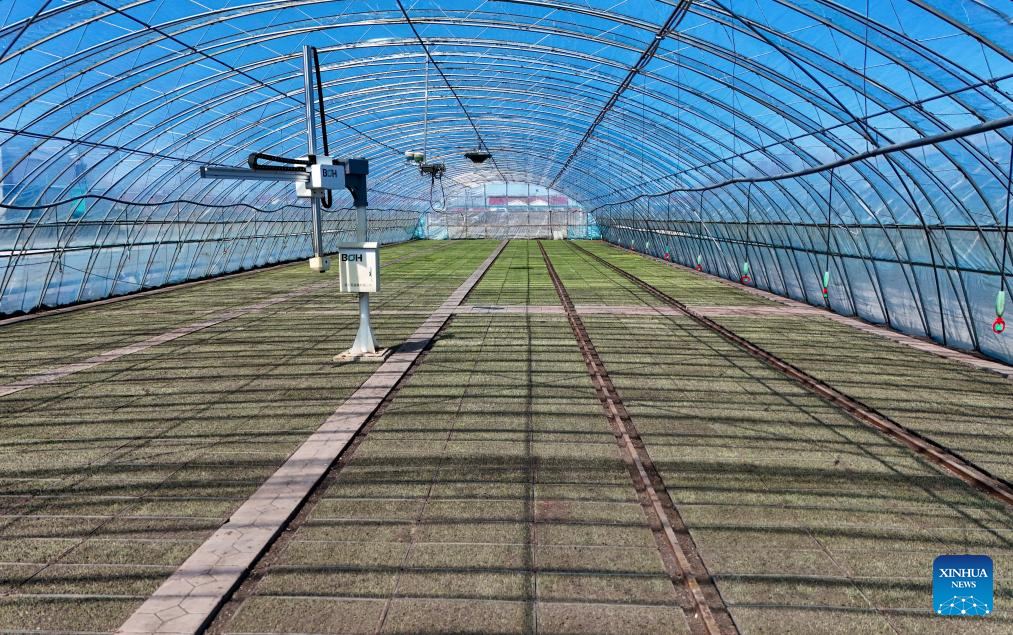 Interior screens
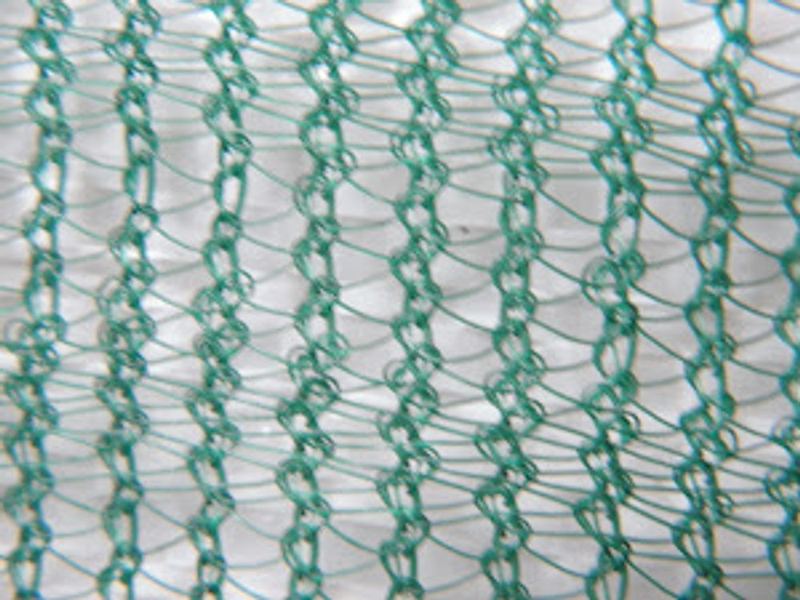 Agricultural shade
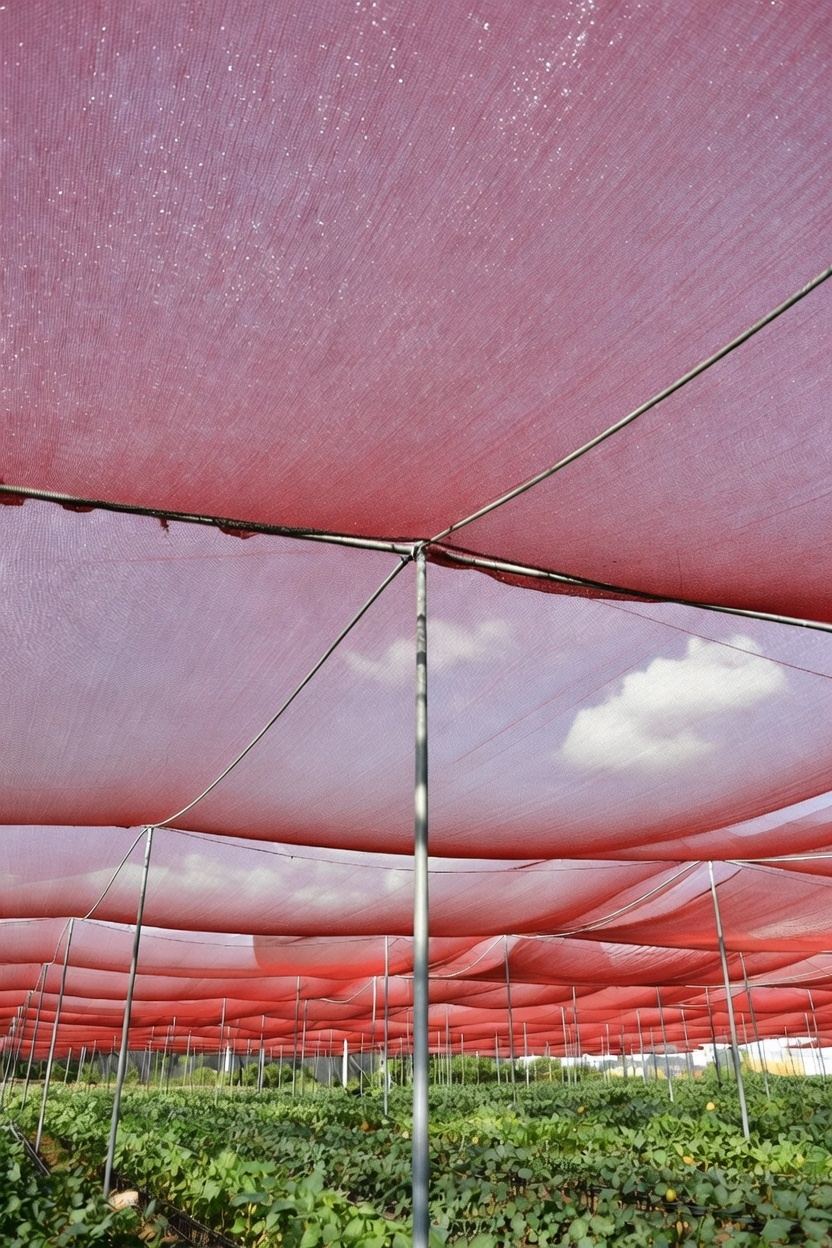 Red light-control net
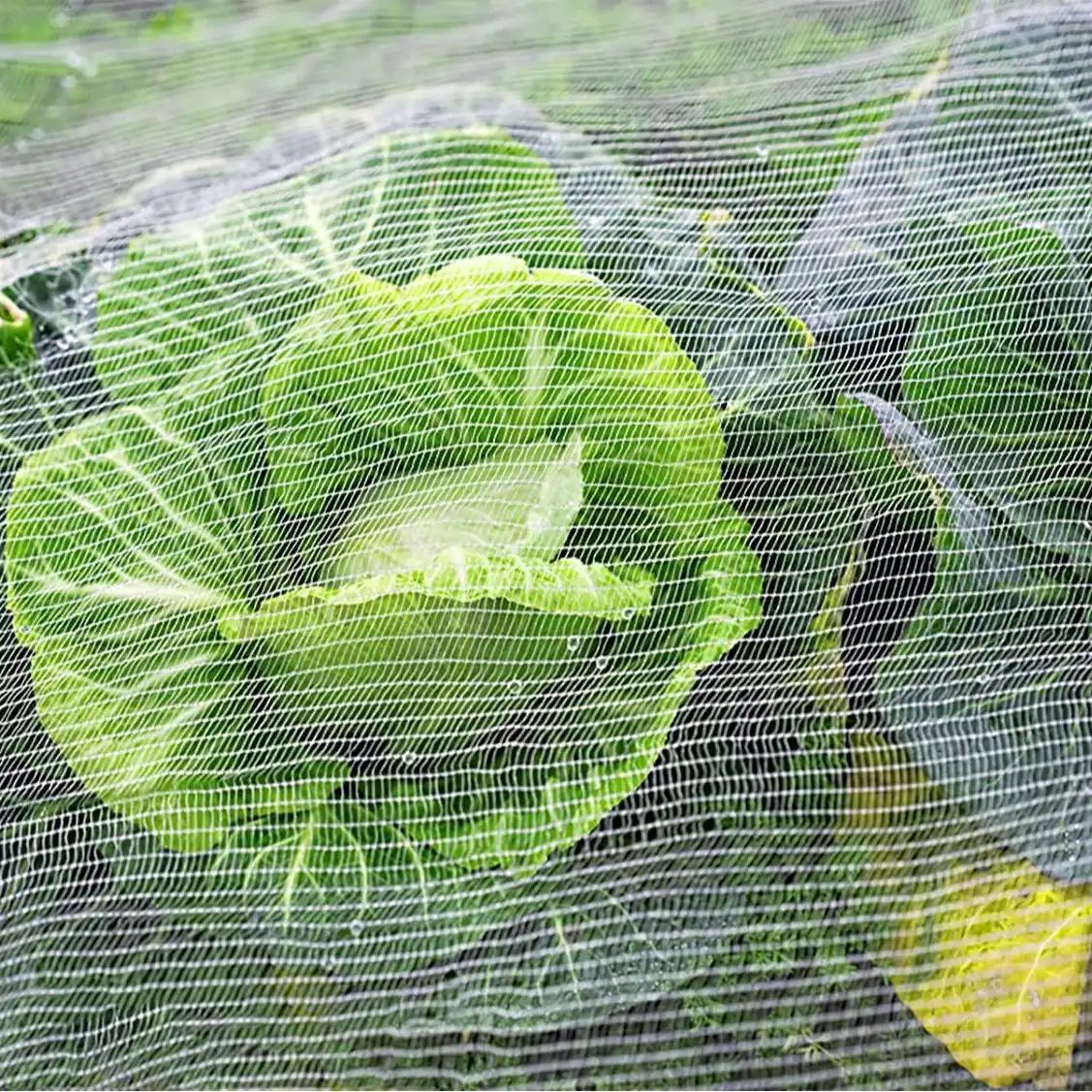 Field insect net
 Greenhouse vents
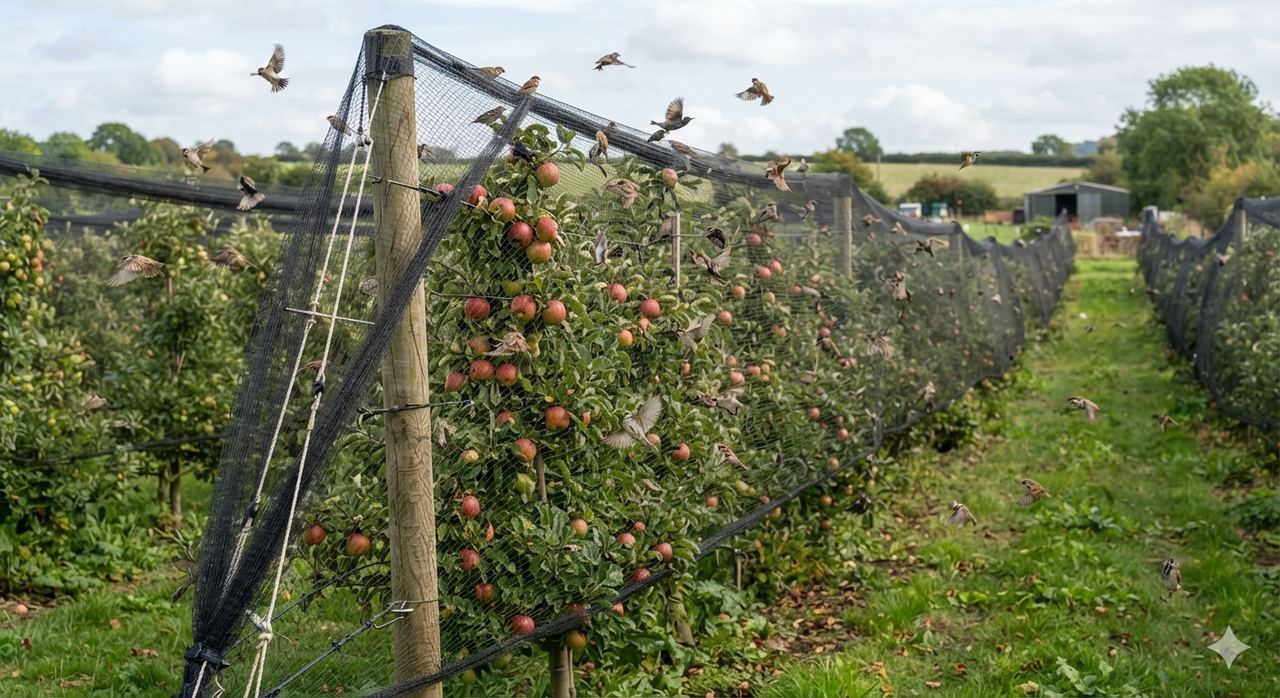 Orchard bird net
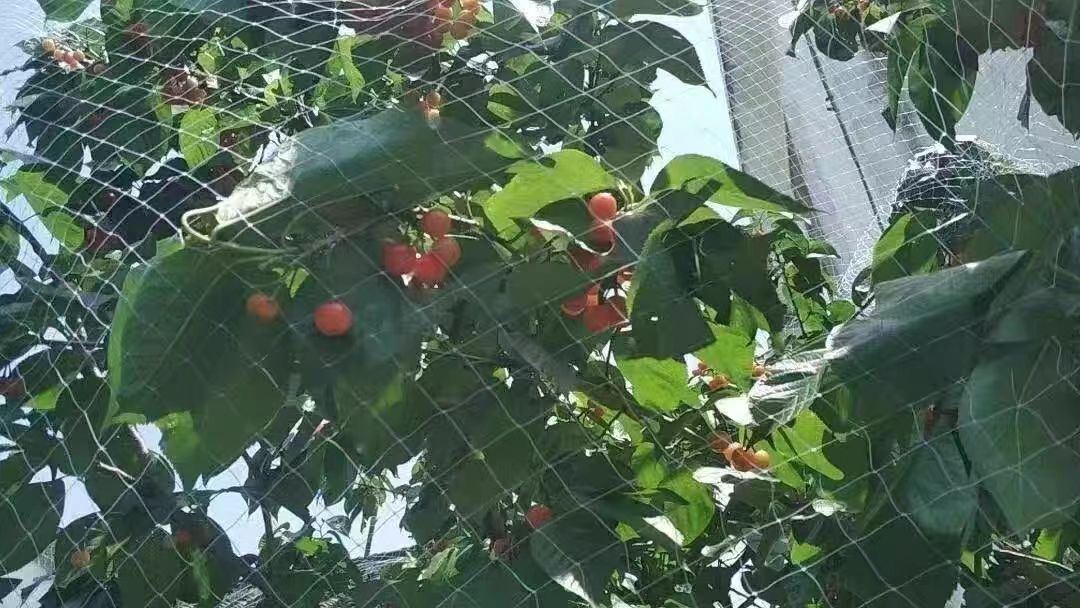 Draped tree net
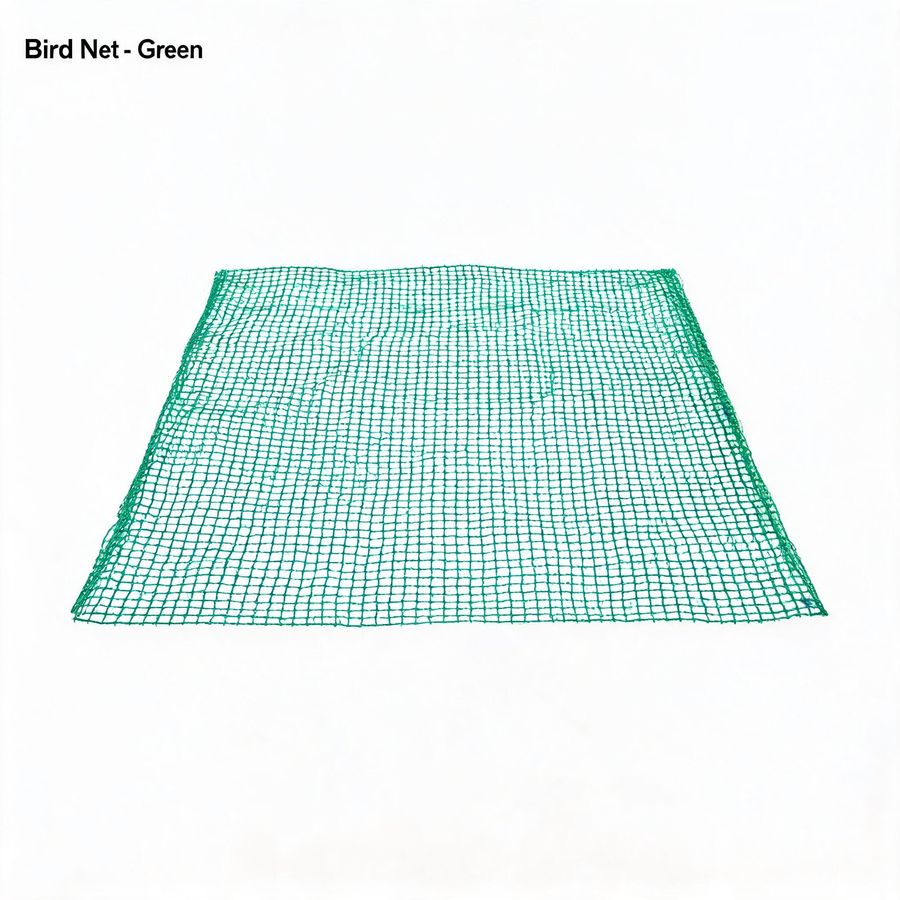 Green bird net
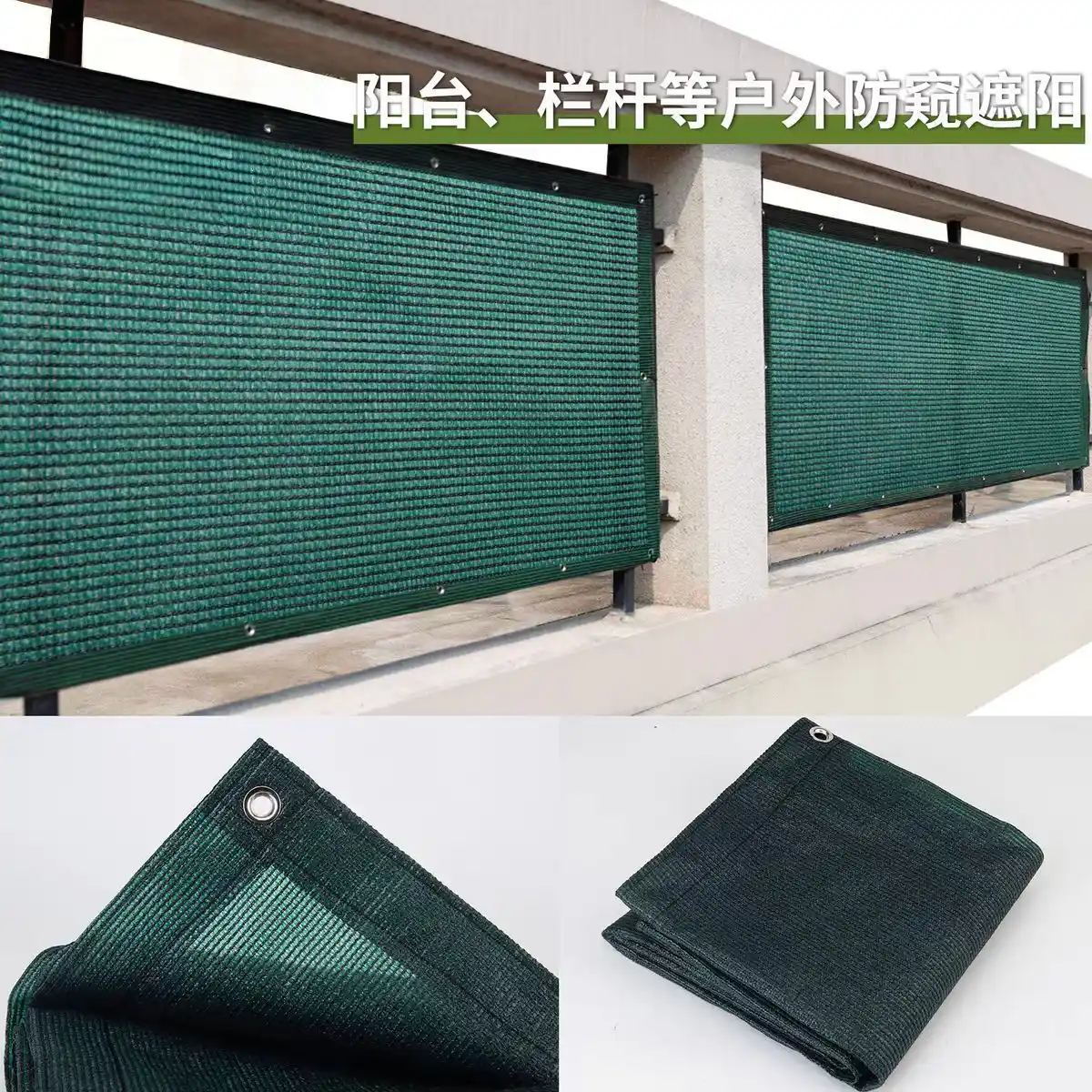 Balcony privacy
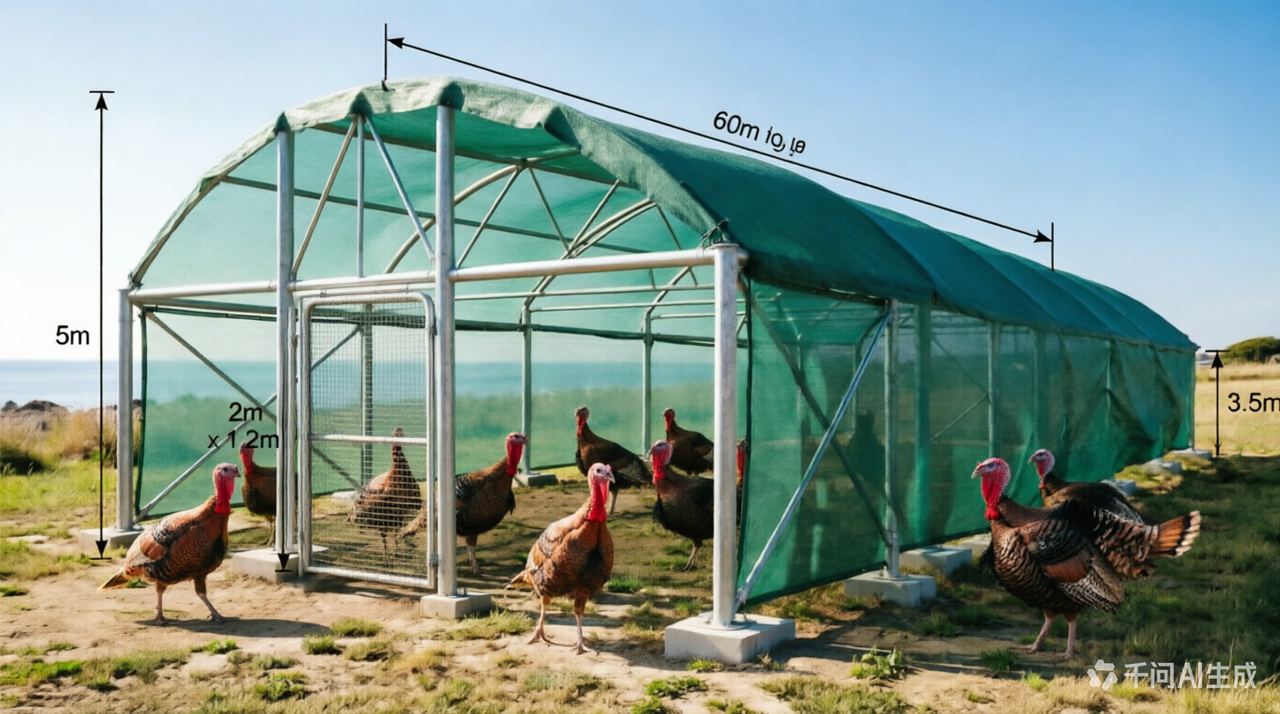 Poultry shelter
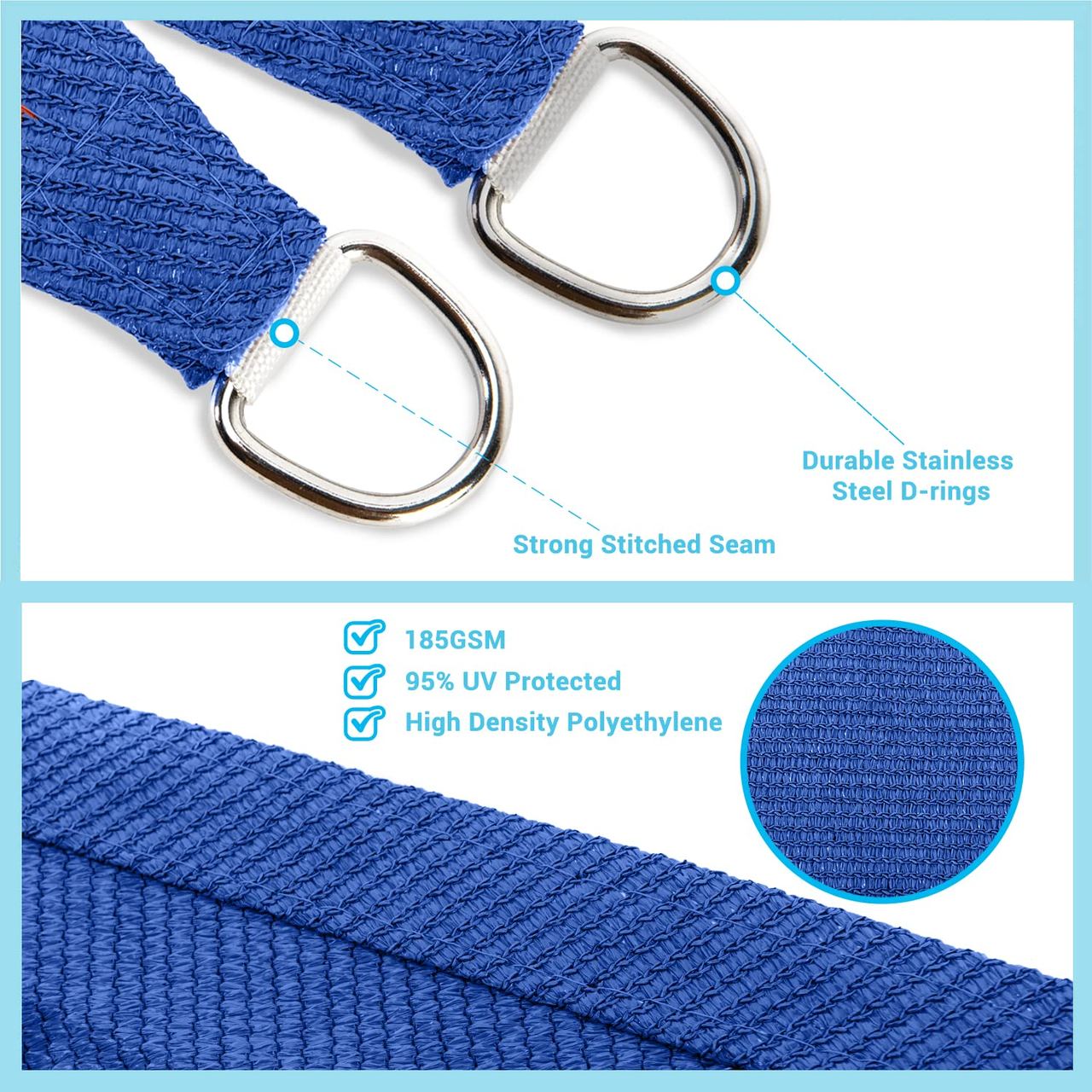 Shade sail
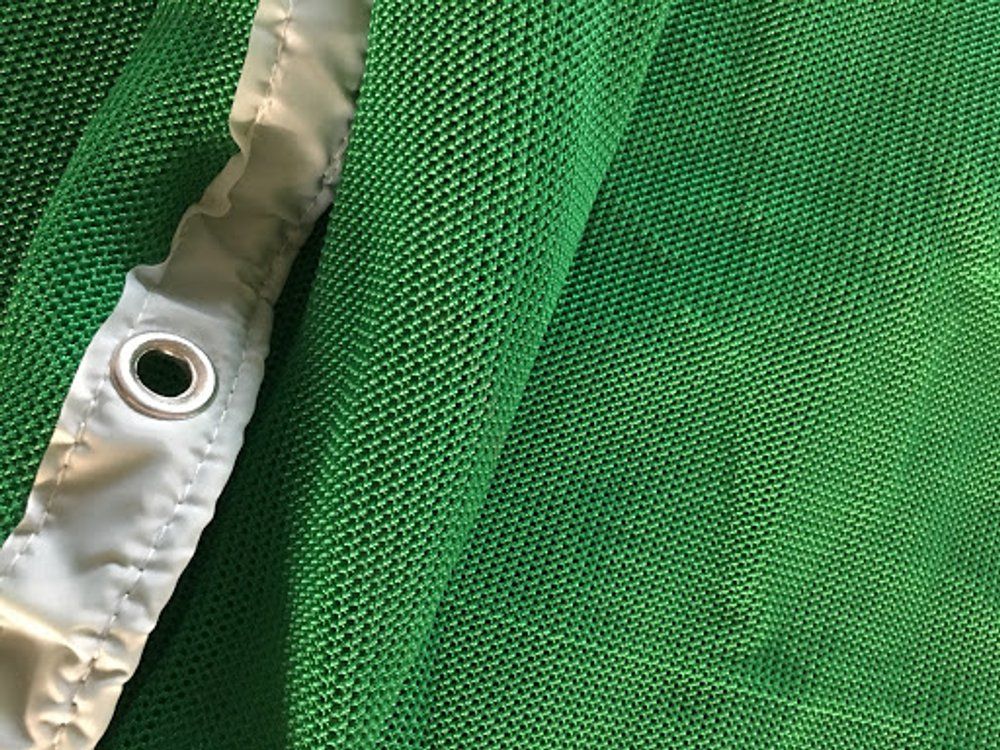 Backstop edge detail
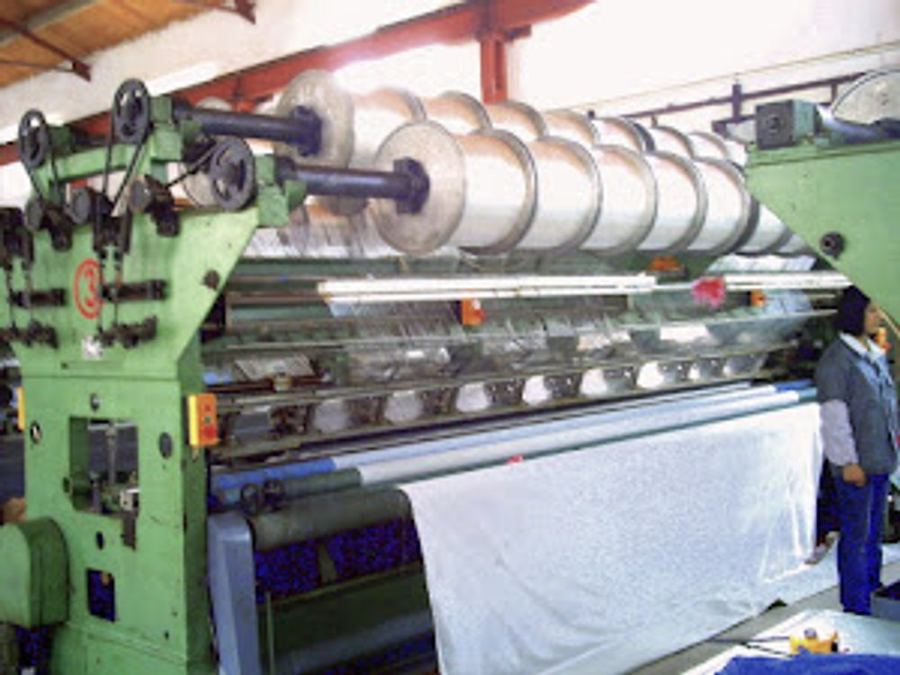 On the loom
Buyer questions
Our mill and office are in Baoshan District, Shanghai 201900, China — inside the Yangtze River Delta industrial belt. We have been weaving netting at this site since 1990 and ship from the ports of Shanghai and Ningbo.
We are a manufacturer. We bought warp-knitting machines from West Germany in 1990 and built the first warp-knitted loom in the Yangtze River industrial area in 1999. Today we knit, finish, eyelet, cut and pack in-house, and we also build the looms we run.
For stock specifications the MOQ is about 500 m² per colour. Custom GSM, width or colour runs typically start at 3,000 m², and archery backstops start at 10 pieces. Mixed containers combining several products are welcome.
Shade factor is set by mesh density and yarn size, so we produce 50%, 70%, 80%, 90% and 95% as standard and will weave to your tolerance. Each batch is checked with a light-transmission test and we can supply the readings with the shipping documents.
Stock colours ship in 7–12 days. Custom weaving runs take 18–25 days depending on width and quantity, plus 3–5 days for finishing and packing. Sea freight from Shanghai to Rotterdam is around 30–35 days, to Los Angeles 14–18 days.
Yes. On request we provide UV-resistance data (accelerated weathering), tensile and tear strength figures, shade-factor measurements and colour-fastness results from third-party laboratories. Fire-retardant versions can be tested to EN 13501-1.
Yes. We do private label: your logo on the roll label, poly bag, carton and header card, plus branded pallets. Artwork is proofed before mass production and we keep the film on file for repeat orders.
30% deposit with the balance against the bill of lading, or a letter of credit at sight for larger orders. We also work on 100% advance for sample and small trial orders.
Technical library
What 70% shade actually means on a light meter, why two 70% nets can behave differently, and how colour changes the result.
Read →Mesh size, yarn support and post spacing — the three variables that decide whether a hail net survives a real storm.
Read →How 45, 90 and 103 g/m² screens balance airflow against thrips, whitefly and fruit fly exclusion.
Read →Send your size list, shade percentage or drawing — we reply with price, lead time and a freight estimate within one working day.